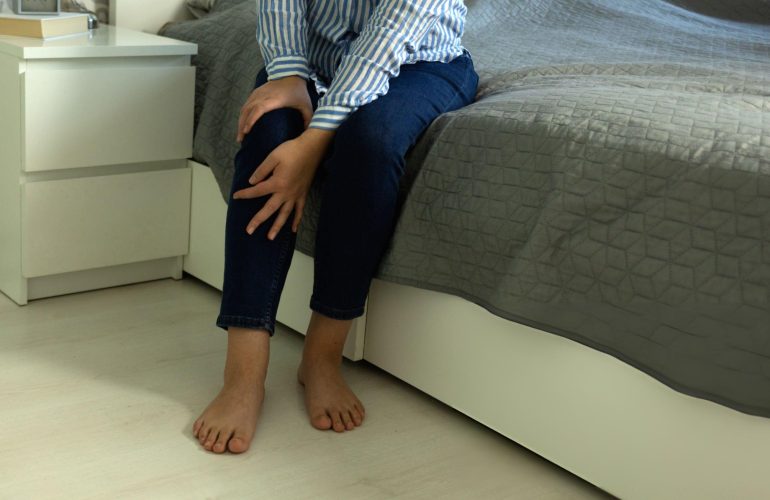

Restless legs syndrome has a way of creeping into routines at the worst times. Maybe it starts with a strange pulling feeling in the legs when you’re trying to relax on the couch after dinner. Or maybe it’s the urge to move your feet every few minutes the moment you get into bed. Either way, it’s not just annoying, it can chip away at your ability to rest when you finally get the chance.
Finding the right treatment for restless legs syndrome means more than checking a box or taking a pill. The approach has to work with your life, not upend it. That’s why we’re looking at how practical options can help you find more comfort, morning, night, or anytime in between.
When Restless Legs Get in the Way of Daily Life
RLS doesn’t always show up with a big sign. Instead, it often feels like a quiet frustration that builds over time. For a lot of people, the symptoms start in the evening, right when the day is supposed to be slowing down.
- That feeling of tingling or crawling in the legs can hit while watching TV or sitting with family
- Some people feel a tightness or pins-and-needles sensation that makes keeping still almost impossible
- It can make long car rides uncomfortable or turn a movie night into a struggle to sit through
Nighttime can be the hardest. You may be tired, but the second your body stops moving, the sensation starts in. Kicking off the covers, shifting positions nonstop, it wears you down. When that happens again and again, it can take a real toll on sleep, mood, and energy the next day.
Everyday Changes That May Make a Difference
While restless legs might need medical attention, small daily shifts can still make a difference. These changes won’t erase symptoms on their own, but they can play a real part in how much relief you feel. We often start by helping people look at what they do before bedtime and how their daily patterns play a role.
Try focusing on a few key areas:
- Keep a steady sleep schedule, even on weekends
- Cut back on caffeine, especially in the afternoon and evening
- Light evening stretching or short walks may improve leg comfort
- Warm baths before bed can ease muscle tension and reduce restlessness
- Limit screen time right before sleep to avoid triggering wakefulness
These aren’t about building a perfect routine. Instead, they’re simple shifts that support the body’s rhythm and reduce some of the things that can make legs more restless at night.
When Care Means Something More Targeted
If restless legs are becoming a regular problem, daily habits may only go so far. That’s the point when it helps to talk to a sleep specialist. Getting personalized guidance can make all the difference, especially since not all restless legs syndrome is caused by the same thing.
For some, RLS connects to low iron levels. For others, it may show up as a side effect of medication or another condition. In each case, the best way forward depends on what’s actually causing the symptoms. That’s why finding the root is such an important step.
Here’s what more targeted care might include:
- Bloodwork to check for iron or vitamin imbalances
- Reviewing current medications that could be contributing
- Prescription options aimed at calming nerve-related sensations
- Planning out safe and gradual steps with regular follow-up if needed
None of these paths have to disrupt daily life. Many people find that with a little fine-tuning, symptoms become more manageable, and sleep more restful.
At Sweet Sleep Studio, we use affordable in-home sleep studies and thorough evaluations to pinpoint what triggers restless legs in your daily routine. Our team, led by Dr. Abid Bhat, looks at both medical and lifestyle factors to develop treatment that fits naturally into your schedule.
Taking Spring into Account: Seasonal and Daily Patterns
May in Kansas often comes with a mix of longer days, rising temperatures, and blooming trees. It’s a welcome shift in many ways, but it can throw off our routines. For anyone dealing with RLS, those changes might make symptoms flare more often.
Longer daylight hours can shift how and when we fall asleep, which might make evenings stretch later than usual. That change can affect when symptoms kick in, since restless legs often follow a clock of their own. On top of that, spring allergies can add another layer of discomfort, sometimes disrupting sleep and making it harder for the body to wind down.
If symptoms seem more noticeable during seasonal transitions, that’s a good time to take stock:
- Are you going to bed later than usual?
- Have your walking or activity habits changed?
- Is sleep being interrupted by other seasonal discomforts?
Checking in with how your daily rhythm shifts can help spot patterns early, before they start to affect your quality of life.
Finding the Right Fit for Real Life
Restless legs syndrome may be frustrating, but it doesn’t have to take over your nights or keep you from resting. The key is finding a plan that respects how you live, one that works with your schedule, your habits, and your needs.
Not every approach will work the same for everyone, and that’s okay. What matters is finding support that gives you more peace in the hours when you should be winding down, not revving up. When comfort starts to return, those shifts ripple outward into better energy, mood, and sleep. And that’s something most of us could use a little more of.
Restless legs disrupting your evenings or sleep can impact your daily routine, especially with changing seasons. At Sweet Sleep Studio, we know how important it is to find solutions that work for your unique needs. Our team offers personalized support and thorough evaluations to uncover the cause of your symptoms and guide you toward lasting relief. For residents in the Kansas City area seeking proven options, we’re here to help with effective treatment for restless legs syndrome. Contact us today to discover how you can enjoy greater comfort both day and night.