
Once fall settles into Kansas City, mornings start darker, nights come faster, and the pace of life usually slows a bit. That shift gives many of us the chance to tune into how we’re really feeling, and how well we’re actually sleeping. When the early sunlight fades and the air gets cooler, more people find themselves staying under the covers longer. At first, it may just seem like a reaction to the chill or a cozy break after a packed summer. But sleep habits, especially too much of it, can sometimes mean more is going on. We’ve learned that this time of year often reveals patterns that were easier to miss during warmer, brighter months. As a sleep specialist in Kansas City, we pay close attention to how the season shapes rest and what it might be trying to tell us.
Understanding Why Fall Triggers Oversleeping
Extra sleep sounds like a simple reward after long days, but fall has ways of reshaping our body’s rhythms. One of the biggest factors is the loss of natural daylight. As the sun rises later and sets earlier, our internal clocks can feel out of sync, making it harder to wake up or stay alert at the usual times.
The drop in temperature added to the darkness makes bed more inviting. It’s easy to want just ten minutes more. Then another. That cozy feeling, while comforting, can hide early signs of disrupted sleep cycles. What feels like rest may really be our bodies signaling that something’s off.
People sometimes assume they’re just making up for a hectic summer. Maybe they traveled more, stayed up late, or had a few too many early mornings. There’s nothing wrong with rest, but when the extra sleep stretches out for days or weeks, or comes with tiredness instead of feeling refreshed, it may be less about recovery and more about an issue taking shape underneath. If you notice that you’re sleeping a lot more, but still feel drained, it helps to pay closer attention to your sleep patterns.
Sometimes, families change their routines each year when fall arrives. School schedules, sports, or work often adjust after summer. While schedules shift, the body’s natural sleep cycle needs time to catch up, and it doesn’t always do so smoothly. This adjustment often makes people question if their sleepy mornings are just because of the calendar, or if there is a deeper struggle happening during the night. That’s why this season is such a useful time to check on your own habits.
When Extra Sleep Signals a Deeper Issue
Consistent oversleeping can be a way the body tries to overcompensate when sleep is out of sync. If someone gets nine to ten hours regularly but still drags through the day, it’s a sign that it isn’t just about how long they sleep. It’s about the kind of rest they’re getting.
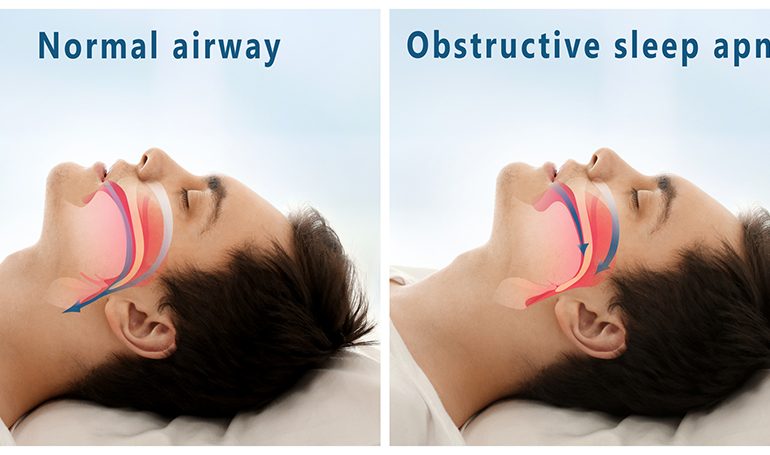
Sleep disorders like apnea often cause people to wake briefly throughout the night without realizing it. The result is tired mornings, cloudy thinking, and more sleep that never quite feels “enough.” Depression can affect sleep too, both by pulling energy down and shifting when someone feels tired.
It’s easy to miss these symptoms when they show up little by little. When someone starts sleeping more, skipping plans, or needing more naps, families may think it’s the season or just temporary stress. But when it keeps going, or the extra sleep doesn’t help, it’s often a clue that shouldn’t be ignored.
If you notice you or a loved one feeling down, struggling with focus, or withdrawing from usual activities, these changes might be linked to sleep. Fall’s slower mood can make it hard to tell the difference between normal tiredness and something more serious, but keeping track of what’s new or different can be eye-opening.
How Sleep Specialists Approach Oversleeping
Fall brings certain clues to the surface, and we pay close attention during seasonal changes. At visits this time of year, we listen carefully for what’s happening behind the shifts. Whether a person mentions daytime fog, repeated late wake-ups, or morning headaches, these clues often point to a broken-up sleep cycle or breathing disruption.
A sleep specialist in Kansas City looks at these patterns with fresh eyes, not just thinking in hours, but in the quality behind them. We often check for sleep apnea, especially when snoring or breathing pauses show up. Some patients also experience restless leg movements or shifts in how deeply they sleep, which can silently break things up overnight.
Sweet Sleep Studio offers both in-lab and affordable in-home sleep studies, led by board-certified sleep specialist Dr. Abid Bhat, who reviews all results before creating a personalized care plan for each Kansas City and Shawnee patient.
In most cases, the goal isn’t to take rest away. Instead, it’s to understand why someone is sleeping so much and still not feeling better. That way, we can find out if something is pulling their sleep down instead of letting it lift them up the way it should. Sleep specialists can help spot patterns others might miss, and guide you toward small changes, new routines, or a needed treatment plan that actually makes a difference.
Many people worry about being told they are sleeping “wrong.” In truth, the goal isn’t to remove comfort or make big changes, but to find out if small, overlooked issues like airway concerns or restless legs are taking away from deep, healthy rest. With this knowledge, you get a chance to solve the real problem instead of just living with more sleepiness or frustration.
Clues from Daily Life That Reflect Overnight Quality
Sleep problems sometimes speak louder during the day. It’s not just about how someone feels at night, but what it’s doing to their energy, focus, and mood after sunrise.
- Kids might seem extra irritable, fall behind in school, or need more naps than usual
- Adults may miss alarms, fall asleep while reading or watching TV, or feel spaced out in morning meetings
- Small things like falling asleep in mid-conversation or barely getting through errands without feeling drained can pop up more often
When these symptoms line up with longer nights of sleep, it’s a strong sign that quality may be off, even if total hours are high. Fall routines can make these issues louder, especially once school and work lock into a more demanding pace.
The change in season doesn’t create the sleep issue, but it can uncover what hasn’t been clear before. By noticing these shifts in daily life, we can better understand what might be happening overnight.
Sometimes it takes a few weeks or even a month for these daily problems to stand out. That’s because small changes build up, and over time, people might get used to feeling more tired without realizing it. Talking openly with your family, friends, or your doctor about what you are noticing is important. Keeping track of how your daytime energy or mood changes alongside the season can provide helpful answers.
Sleep Isn’t Just About More or Less
Many people think of sleep as a numbers game. But while hours matter, so does how those hours are spent. Some people need more rest in fall, and slight shifts in habits are normal. What stands out is when a usual amount isn’t cutting it anymore, or when more rest only brings more exhaustion.
Stress ramps up fast as fall rolls on. The earlier we catch changes in sleep, the easier it is to make sense of them before holidays and winter demand extra energy. That pause we get at the start of the season is a perfect time to listen more closely to what our bodies are saying.
- A sudden change in sleep length isn’t always something to fear, but it’s worth watching
- Patterns that affect relationships, routines, or health usually mean something deeper is going on
- Knowing the difference between healthy rest and lingering oversleeping helps people decide when more help might be needed
Fall can bring out the quiet signals that summer covered up. When we pay attention to both night and day, we start to learn whether sleep is helping us or holding us back.
Feeling unusually tired even after extra hours of sleep? Seasonal changes can reveal underlying sleep issues that deserve closer attention. Working with a sleep specialist in Kansas City can help clarify what’s happening and guide you toward real rest. At Sweet Sleep Studio, we listen carefully, track your sleep patterns, and create solutions just for you. Contact us today to schedule a convenient appointment.