
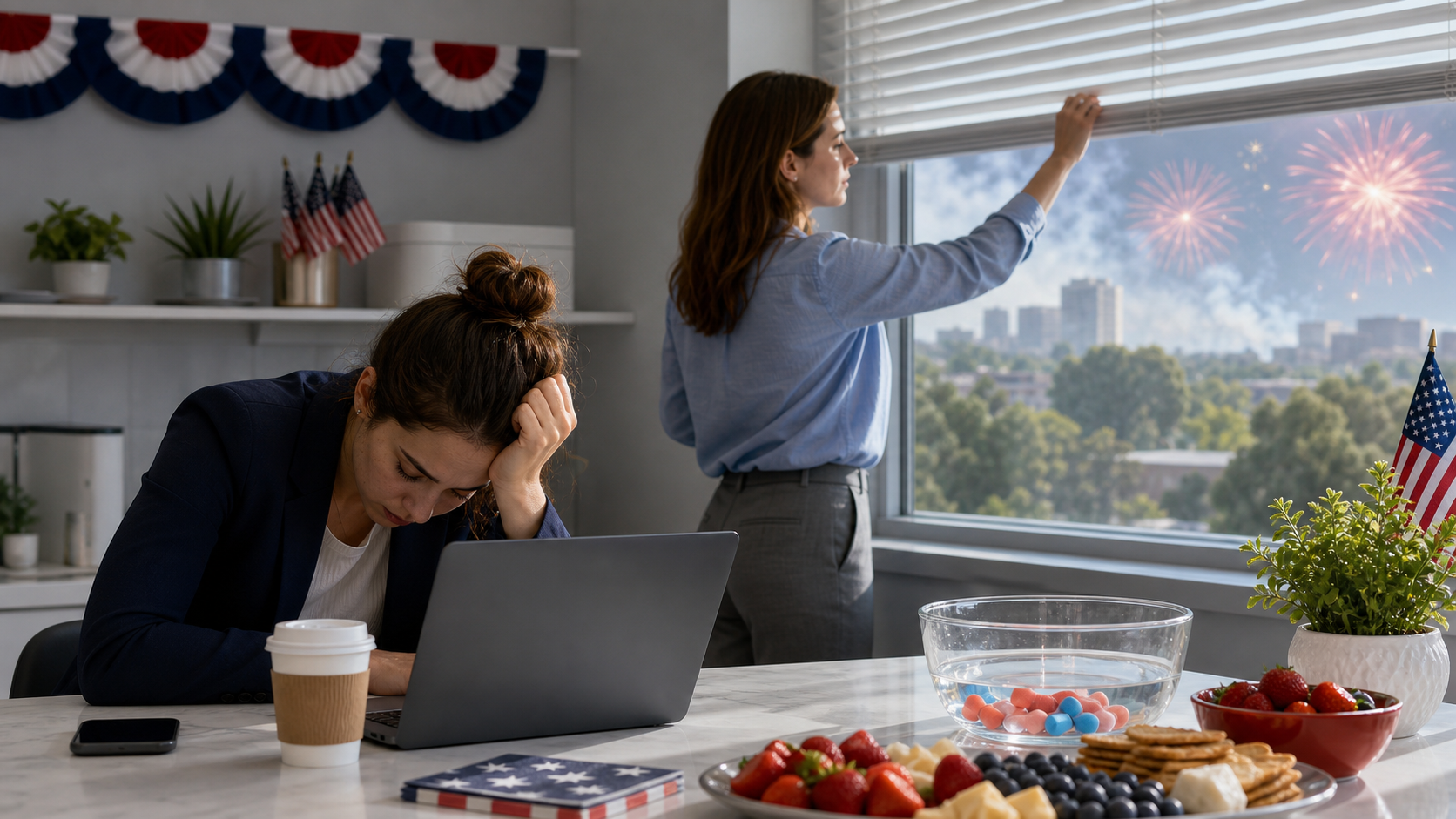
Summer tends to speed everything up. The days stay bright into the evening, outdoor events fill our calendars, and regular routines start to shift without us realizing. For a lot of people, that change brings an unexpected side effect, more tiredness during the day. It is not always easy to pinpoint why. Maybe it feels like you slept enough, but you still wake up groggy or struggle to stay alert.
We have noticed that this season, especially around the Fourth of July, can make things tougher for anyone already dealing with tired days. For those noticing patterns of low energy after summer events, these could be signs of something deeper, like a daytime sleepiness disorder. The way holidays shake up daily rhythms might be part of the reason why.
What Summer Heat Does to Sleep
When it is hot outside, sleep can get tricky. Even if your routine stays the same, warmer nights can make it harder to feel comfortable enough to fall asleep or stay asleep once you do.
- Body temperature plays a big role in sleep. If it does not cool down enough at night, your brain gets mixed signals and has a harder time settling into deep rest.
- Long hours in the sun can leave you physically wiped out but not always ready to sleep. That kind of exhaustion can lead to feeling dull the next day rather than refreshed.
- Cooling off indoors helps, but noisy fans, air conditioners that cycle on and off, or open windows that let in outdoor sounds can break up light stages of sleep without you noticing.
Kansas City summers can bring heavy heat, and that does not just affect daytime comfort. It shows up at night, too, sometimes in ways we do not immediately connect to how we feel the next morning.
Sometimes, it can be frustrating to realize that your sleep feels unstable, even if the changes are relatively minor. Maybe you lay down at your normal time but toss and turn for hours, or maybe you wake up more often than usual but have trouble falling back asleep. These patterns all contribute to why you might feel sluggish the following day.
Late Nights and Fireworks: How Holiday Schedules Interfere
The Fourth of July is packed with fun, but the way it changes our evenings can come with sleep trade-offs. Late-night gatherings, busy neighborhoods, and the excitement of fireworks all make for great memories, but not always great rest.
- Firework shows typically run long into the evening and can carry on for days before and after the holiday. These sudden bursts of noise can jolt people awake or delay sleep altogether.
- Kids and adults alike tend to stay up later, which shifts the body’s sleep rhythms. Sticking to a certain bedtime is harder when there is so much going on.
- Sleep loss may not catch up immediately, but it adds up fast. A few interrupted nights in a row can throw off your energy levels and increase symptoms of daytime sleepiness disorder.
Even people who think they have bounced back from a single short night may notice their focus or patience slipping for days after. Sleep needs do not disappear just because we are having more fun.
It helps to realize that the excitement of celebrations can energize us enough to mask fatigue initially, only for that exhaustion to catch up later. Sometimes just a couple of nights where you get to bed later or have trouble falling asleep can lead to a week of dragging days, especially if your sleep schedule was consistent before. Fireworks and neighborhood festivities might be short-lived, but their impact lingers.
Food, Drinks, and Sleep Trouble
Holiday foods often come with extra sugar, richer meals, and more chances to snack late into the night. While that is part of enjoying the celebration, our bodies might not respond kindly to that overload when it is time to rest.
- Heavy meals close to bedtime can leave the digestive system working hard while the rest of the body is trying to settle down.
- Alcohol may feel like it promotes drowsiness at first, but it tends to disrupt the deeper stages of sleep later in the night.
- Caffeinated drinks, even ones consumed earlier in the afternoon, can linger in the system and delay the natural wind-down process.
If you have ever woken up the next day feeling irritable or like you need another few hours of rest, it may have more to do with last night’s choices than you think.
Large holiday gatherings can tempt us to eat and drink differently than usual. Even people who typically avoid late-night snacks or stick to a certain dinnertime might find themselves reaching for another helping or dessert late in the evening. These changes can have a surprising ripple effect on how long it takes you to settle into sleep and how often you wake overnight. The quality of your sleep might dip, even though you feel just as tired the next day.
When Naps Don’t Help
After a rough couple of nights, grabbing a nap can seem like a smart move. Sometimes it really does help. If daytime tiredness sticks around even after a decent night’s rest or a midday snooze, that is a sign something deeper could be going on.
- Occasional grogginess is normal, but if you are finding yourself needing naps just to function, that is worth paying attention to.
- Feeling foggy during the day, even when you have technically had enough hours in bed, can point to quality sleep issues rather than sleep quantity problems.
- Ongoing patterns like this may connect to a daytime sleepiness disorder, especially if tiredness interferes with your focus, mood, or daily life.
Many people say they feel tired for no clear reason. The truth is, sleep disruptions are easy to miss if you are only looking at how long you were in bed, not how well you actually slept.
Sweet Sleep Studio provides affordable in-home sleep studies and expert evaluations for people in Kansas City and Shawnee who are experiencing ongoing daytime tiredness or concerns about sleep quality during the summer months.
You may notice that your usual quick nap at lunch does not bring the same relief it once did. If naps become a daily crutch rather than an occasional fix, it could mean your underlying sleep is being repeatedly disrupted. Persistent tiredness that feels unconnected to your bedtime or the number of hours spent in bed may indicate a real sleep disorder, not just temporary exhaustion.
Reclaim Your Energy After the Holiday
A holiday like the Fourth of July throws a lot at our typical routine, extra excitement, later nights, different meals, and more time out in the heat. It is common to feel worn out after all that. If the tired feeling sticks around after the fireworks are over and the snacks are put away, it might be time to check in on what your sleep has really been like.
People are encouraged to notice how well-rested they feel, not just how much they slept. If you have been dragging through the day more than usual or needing naps just to push through, that tiredness might be pointing to something worth addressing. Even one or two small changes can help, but if the pattern continues, it may be time to look closer.
Low energy after a good night’s rest might be your body’s way of signaling a deeper concern like a daytime sleepiness disorder. Many people in Shawnee and the Kansas City area overlook these symptoms, especially during the busy summer months. At Sweet Sleep Studio, we can help you uncover the root cause of your daytime fatigue. Call us today to schedule a visit.