
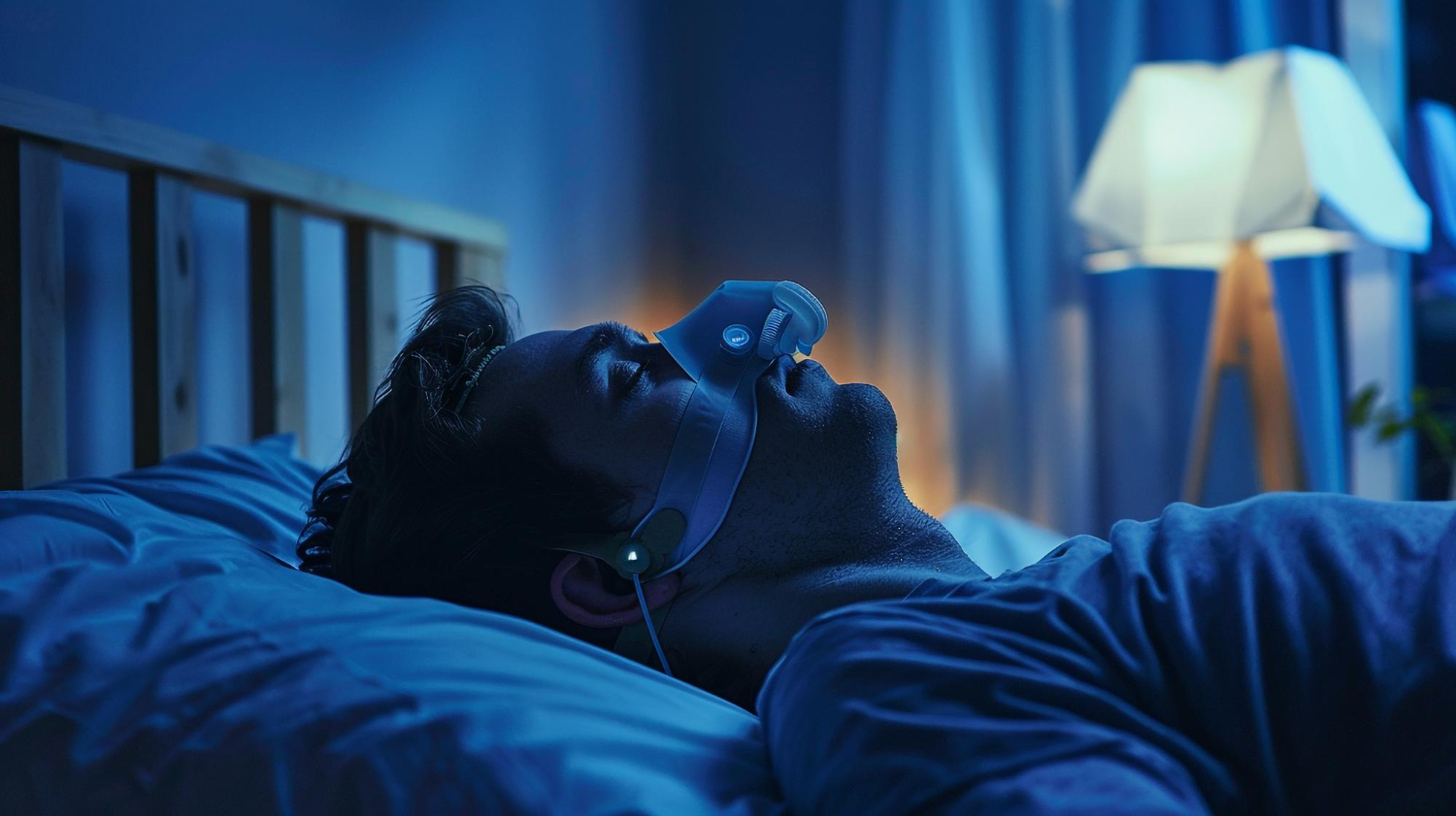
Sleep apnea is a sleep disorder that causes you to stop breathing at night, sometimes many times. Most people don’t even realize it’s happening until they start noticing signs like loud snoring, waking up gasping, or feeling exhausted every day. As winter creeps in, those signs can get harder to ignore. Between cold air, dry heat from furnaces, and changes in daily routines, sleep issues often become worse.
If snoring gets louder, or mornings feel harder to face, it might be time to get checked. Seeing a sleep apnea doctor in Kansas City before the coldest part of the season hits isn’t just about better sleep, it can help you stay healthier all the way through the winter months.
Why Sleep Apnea Can Get Worse in Cold Weather
When winter shows up in Kansas City, we all make simple changes without thinking. We run the heat nonstop, close the windows, and do our best to stay cozy. But inside the bedroom, these habits can stir up new problems for people with sleep apnea.
• Heated indoor air can dry out the nose and throat, which makes the airway more sensitive.
• Stuffy noses, winter colds, and sinus pressure can block airways even more.
• When windows stay closed, fresh air is limited, and that can affect breathing at night.
This time of year also brings more obligations. Holiday travel, late nights, and stress can leave people feeling wiped out. That extra tiredness can sometimes cover up symptoms that were already building. If you suddenly feel even more drained during the day than usual, or if your partner mentions your snoring is out of control, it might be more than just typical winter fatigue.
Winter can also bring a drop in natural light and more time indoors, further changing your sleep patterns. The mix of heavier blankets, heated rooms, and less movement means your body may not be as prepared to fight off sleep troubles. Breathing well at night becomes even more important as your body works harder to stay healthy through cold and flu season.
Signs You Shouldn’t Ignore Before January
It’s easy to brush off rough mornings or long days in December as normal. Winter is colder, darker, and busier. But certain signs shouldn’t be ignored, especially if they start showing up more often.
Watch for symptoms like:
• Loud, frequent snoring
• Gasping, choking, or stopping breathing during sleep
• Feeling groggy or having a headache when waking up
• Falling asleep during the day, even when you try to stay active
• Waking up with a dry throat or sore mouth
These issues can escalate in a matter of weeks as strong winter weather sets in. If you’re noticing any of these patterns, it’s a sign that your breathing at night may be getting worse. It’s better to take a look now than wait until mid-January when schedules fill up, stress lingers, and sleep problems become more serious.
Some people may also notice their mood slipping or trouble focusing at work or school. This could be a sign that poor sleep is adding up over time, even if you think you’re getting enough hours. Skipping activities with friends or not feeling excited for holiday plans might also hint that sleep apnea is taking a toll.
How a Doctor Helps You Get Back on Track
Getting sleep back to normal doesn’t have to feel complicated. Seeing a sleep apnea doctor in Kansas City means starting with a conversation about what your nights and mornings have been like lately. A full sleep evaluation may follow, and many times, it’s something that can be done from home.
A doctor is looking for patterns in how you breathe, snore, and move while asleep. The goal is to spot issues early enough that they don’t snowball into bigger health problems.
• They may suggest a home sleep study to monitor your breathing overnight.
• Once they know what’s going on, they can recommend a medical or behavioral plan that fits your routine.
• The focus is on getting restful, uninterrupted sleep back, safely and consistently.
A good sleep doctor won’t just look at your symptoms in isolation. They want to understand your everyday life, stress levels, and the changes winter brings to your routine. By asking questions about how you sleep, when you feel tired, and what your days look like, they get a fuller picture of what’s happening. This kind of personal care helps make sure the treatment plan won’t just work for a week, but will help you get real rest all season long.
At Sweet Sleep Studio, we specialize in affordable in-home sleep studies for patients across the Kansas City area, making it easier to identify problems without having to spend the night in a lab. Our board-certified specialist, Dr. Abid Bhat, personalizes treatment plans to combine medical therapies and mind-body approaches for better results.
When these steps happen before the hardest part of winter hits, you’re in a better place to handle seasonal colds, busy schedules, and colder nights with more energy and less worry.
You don’t have to figure it all out at once. Some people find relief through new sleep routines, while others need medical tools like a CPAP machine, oral device, or airway support. A sleep specialist is here to guide you, explain options, and follow up so you’re not alone as things improve.
Why Getting Checked Before Winter Matters
Winter doesn’t just mean cold weather. It often means shorter days, heavier meals, and long stretches of indoor time. For people struggling with sleep apnea, it can be a tough stretch if the problem goes untreated.
Seeing a sleep specialist before the heart of winter helps you:
• Keep your energy steady during darker days
• Lower the risk of other health issues that get worse with poor sleep
• Avoid struggles with immune function, mood, or daily focus
When you take care of your sleep apnea early in the season, it’s easier to keep up with routines, family gatherings, and work deadlines. You may also find it’s less stressful to stick to your treatment plan before roads get slick and your schedule fills up with winter plans. Practicing good sleep habits and sticking to appointments becomes much more manageable once you feel the difference clear breathing can make.
Sweet Sleep Studio offers both in-person and virtual consultations, so our Kansas City patients can get help in a way that fits even during busy seasons or tough weather.
When your body has to work harder just to breathe at night, it’s no surprise you feel run down the next day. Add in the dry heat, seasonal travel, and holiday stress, and sleep quality matters more than ever. Getting checked now can help you stay ahead of things before they pile up.
Making a plan ahead of the coldest months gives you time to adjust and find the support you need. This extra step means you’re ready for unexpected challenges, from last-minute travel to family gatherings that keep you up late. When your sleep is under control, the whole season seems easier.
A Clearer, Calmer Season Starts With Better Sleep
Noticing problems with sleep isn’t something to push aside. If anything, it means you’re paying attention, and that’s a good thing. Sleep drives how we feel, how we heal, and how we show up for everything else.
This winter can feel different. With clearer sleep, deeper rest, and fewer disruptions at night, our days flow better, even when the weather doesn’t. If it’s time to ask why your sleep feels stuck, it’s worth finding out before the coldest weeks roll in.
Setting aside some time for a check-in now can be the difference between a season full of tired days and one that feels more manageable. When your nights are restful, mornings seem brighter, and you’re ready to keep up with what the season brings.
When sleep starts to feel heavier or more restless during the winter months, changes in weather and routine can highlight underlying breathing issues. Nighttime snoring or daytime fogginess might be signs that it’s time to take a closer look at your sleep quality. Scheduling a quick check-in with a sleep apnea doctor in Kansas City can help you understand your next steps before sleep challenges become harder to manage. At Sweet Sleep Studio, we take the time to learn what you’re experiencing so we can help you get back to feeling your best. Call us today to schedule a time to talk.