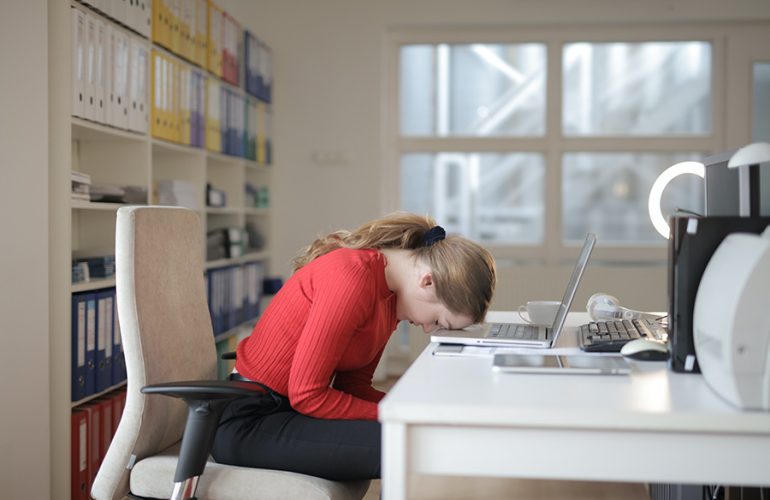

The holidays in Kansas City bring plenty of cheer, but they can also bring a heavy dose of stress. Between shopping lists, travel, family events, and year-end tasks, many of us find ourselves running on empty. Ironically, even when we’re worn out, sleep can suddenly feel harder to come by. That’s when we know something’s off.
Stress from the holiday season tends to show up at night. Minds stay busy long after the day is over, and bodies struggle to settle down. For some, this turns into restless nights that stretch on for weeks. If you’ve felt that shift in your sleep lately, it might be time to consider insomnia treatment in Kansas City to bring things back into balance.
How Holiday Stress Affects the Body
When we’re under pressure, especially the kind that comes with the holidays, our bodies react in ways we don’t always see right away. Stress pushes cortisol levels up, and that can make it harder for the brain to slow down once the sun goes down.
• Stress hormones like cortisol stay active longer, making it tough to feel sleepy
• Sleep-wake rhythms get thrown off as parties, errands, and travel shift daily routines
• Physical tension builds, tight shoulders or clenched jaws can keep us from relaxing enough to fall asleep
Our bodies like predictability, especially at bedtime. When normal routines disappear, sleep often follows. Add in the emotional intensity of the holidays, and it’s no surprise that nights feel longer and less restful.
The pressure of social gatherings and family traditions may make some people feel anxious even before events begin. Just the anticipation of busy schedules or sometimes difficult conversations can signal the body to stay alert, rather than relax. Over time, the build-up of both physical tiredness and emotional pressure adds up, leading to heavier fatigue and less ability to handle the seasonal hustle and bustle with a clear mind.
Common Holiday Habits That Mess With Sleep
Plenty of holiday habits seem harmless in the moment but end up messing with rest later on. Long days out, rich food, and late movie nights don’t mix well with healthy sleep patterns.
• Big meals late at night make it harder for the body to wind down
• High sugar and caffeine intake (especially in dessert or holiday coffees) can overstimulate the body
• Alcohol, while relaxing at first, tends to disrupt sleep cycles and lead to poor-quality rest
In Kansas City, holiday lights and events often stretch past bedtime. That can mean late drives, extra screen time, or staying wired from too much activity. Time off from work or school often shifts our bedtime later, whether we plan for it or not. These changes confuse the body’s internal clock, especially when they continue for days or weeks in a row.
Holiday gatherings often lead to being out late, and coming home revved up or overstimulated makes settling in for sleep a challenge. Even short naps after long, busy days may throw off normal patterns, making it more difficult to feel sleepy at the right time. The season is full of opportunities to push the boundaries of routine, and though this can be fun, it often leaves our systems feeling out of step.
Emotional Triggers That Keep You Awake
Not all stress is loud and obvious. Some of the strongest emotional triggers show up when everything gets quiet, especially right before bed. Around the holidays, it’s common for people to feel more emotionally stirred up without realizing it.
• Grief, loneliness, or missing loved ones can surface quietly during the season
• Family dynamics may feel more intense during get-togethers or long weeks at home
• Even happy excitement, like gift planning or hosting, can cloud the brain with too many to-dos
Many people find they get into bed tired but end up lying awake with a racing mind. Emotional stress doesn’t always feel like anxiety. It often shows up as overthinking, forgetfulness, or deep restlessness that builds in the evenings.
While the outside world may look festive, it is not unusual for people to experience sadness that contradicts the mood around them. These quieter, underlying emotions might make it hard to relax fully, and sometimes, people start associating bedtime with these unresolved feelings. If your thoughts are preoccupied, your body follows, and restful sleep becomes increasingly elusive.
Why Professional Care Matters This Time of Year
A run of bad nights in December can easily slide into long-term sleep trouble if it’s not interrupted. The more time the body spends stuck in “on” mode, the harder it becomes to get back to a steady sleep pattern.
At Sweet Sleep Studio, we have seen how the combination of holiday stress, disrupted habits, and emotional weight creates the perfect storm for insomnia. Our personalized plans for Kansas City patients focus on lasting change and blend integrative approaches such as in-office and virtual visits, cognitive behavioral therapy, and practical adjustments for sustained relief.
Sleep support only works when it matches how life really feels. That includes taking the season into account, the pressures someone is under, and the hidden patterns that might be blocking rest in unexpected ways. Getting help early often brings quicker relief, especially when the issue is driven by temporary changes that have gotten out of hand.
Over time, short-term insomnia caused by stressful seasons has a way of becoming more chronic when ignored or left to fix itself. Addressing holiday stress and sleep disruption early reduces the risk of it stretching into the months after the festivities end. Recognizing the connection between changes in mood, environment, and sleep is essential to regaining a sense of balance.
A Better Night’s Sleep Starts With Understanding
When we look at holiday sleep struggles, they usually come from more than one source. Stress, habits, and emotions often build on each other until sleep gets knocked off course completely. Fixing the problem isn’t about doing more but about noticing what’s no longer working.
Better sleep starts with listening to your mood, your body, and your energy throughout the day. If you’re waking up tired more often or noticing that your thoughts won’t stop at night, don’t brush it off. These early signs tell us the body is trying to get our attention. The good news is, catching them makes it easier to get sleep back on track before the new year begins.
Building self-awareness goes a long way in managing holiday-related insomnia. Sometimes, simply adjusting your evening schedule, reducing stimulation in the hours before bed, or making a habit of quiet reflection can make a big difference in how quickly you fall asleep. Keep track of small changes in mood, daily habits, or stress levels as you move through the season, and give yourself extra space to rest when you can. If you still struggle, remember that reaching out for support is a sign of strength rather than weakness, especially during such a busy and emotionally charged time.
Holiday stress can make it difficult to maintain healthy sleep habits, but at Sweet Sleep Studio, we understand how challenging this season can be. Addressing sleep troubles early can help prevent short-term restlessness from becoming a long-term issue. For those in need of a restful night’s sleep this winter, our insomnia treatment in Kansas City offers personalized support. Call us today to start your path toward better sleep.