
As summer winds down and fall routines return across Kansas City, sleep patterns tend to shift. Earlier mornings, school schedules, and shorter days can suddenly shine a light on sleep issues that seemed under control just a few weeks ago. For many people, this is the time of year they begin to feel out of sync again, especially if they’re managing sleep disorders.
When it comes to sleep apnea, fall can make it easier to spot if something isn’t working right anymore. A treatment approach that felt fine in April may quietly stop doing its job by September. That’s why it’s smart to take a second look at sleep habits and notice what’s changed. For anyone using sleep apnea treatment in Kansas City, this season might be a turning point worth paying attention to.
When Treatment Used to Work But Doesn’t Anymore
Sleep apnea is deeply connected to patterns. When those change, so can the effectiveness of how we manage it. As temperatures drop and people spend more time indoors, symptoms that were quiet in summer may creep back in.
Some clear signs a once-helpful treatment might be slipping include:
- Waking up more often in the middle of the night
- Feeling just as tired in the morning as before starting treatment
- Noticing snoring even while using devices like a CPAP machine
Cooler weather itself isn’t always the problem. But seasonal habits, spending more time seated or laying under heavier blankets, having earlier dinners, or sleeping in socks, may interact with older CPAP settings in ways we hadn’t expected. Routines that made sense when the sun was up until 9 p.m. might not hold in darker months. We’ve seen how a subtle shift in season can prompt a noticeable shift in symptoms.
People Waking Up Tired Even After a Full Night
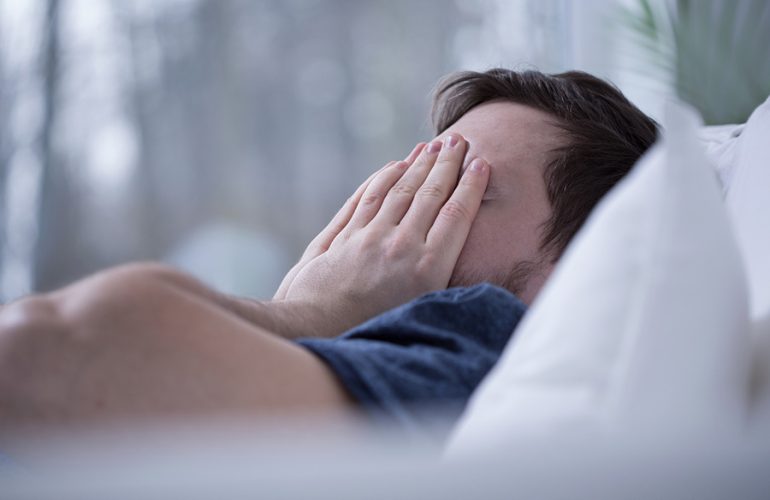
It can be frustrating to do all the right things and still wake up feeling off. That’s something we hear more often as fall gets rolling. People may stick to their treatment plans, sleep for eight hours, and still open their eyes feeling like the night didn’t do what it was supposed to.
What can add to this is how fall affects the body’s clock:
- Less daylight can delay melatonin production or shift our sleep rhythms
- Natural breathing changes overnight may not match older pressure levels on treatment machines
- Symptoms like low energy, dry mouth, or mood swings may return, even if sleep seems uninterrupted
Sometimes, overlooked signs are the biggest clues. A person might think, “I’m just having a stressful week,” when it’s really their body struggling to get enough oxygen at night. A return of symptoms without a change in sleep habits is often a reason to stop and reassess.
Sleep Habits That Shift in the Fall
School year routines. Earlier dinners. Darker evenings that make the day feel shorter. These small shifts can reshape the way we sleep, even if the bedtime stays about the same.
Some signs show up in the background first:
- A partner starts to hear snoring again and notices tosses or turns
- Someone who used to sleep through the night now finds themselves waking once or twice
- That “middle of the night” bathroom break happens more often
Sometimes we don’t notice the problem until someone else brings it up. Fall is a season when partners, roommates, or parents become the ones calling out the change, often because they’re trying to sleep too. As we become more structured in these cooler months, it becomes easier to recognize signs that were hiding in the summer noise.
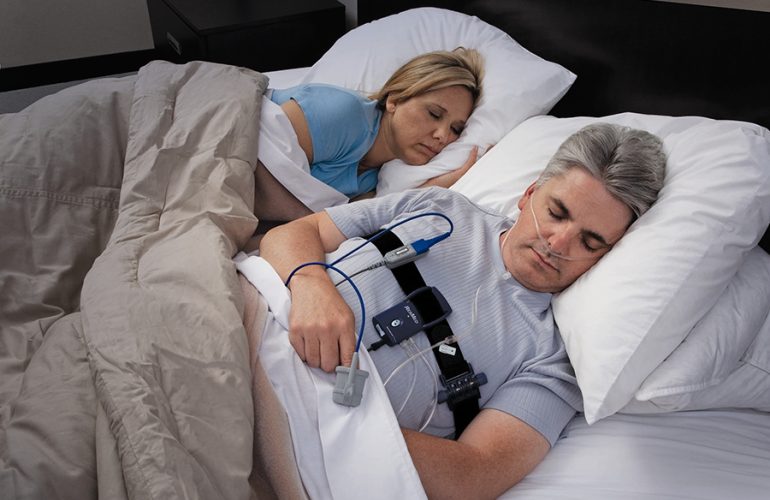
Sweet Sleep Studio offers CPAP support and sleep apnea care led by Dr. Abid Bhat, who helps Kansas City patients update treatment plans for better seasonal fit. Our clinic also monitors sleep changes with affordable in-home sleep studies to ensure therapy is working as well as possible.
Those Who’ve Lost Weight or Gained Weight Since Summer
Weight can have a big impact on sleep apnea. That’s not just about body shape, it’s about how the airway behaves. Losing or gaining weight since summer, even slightly, can change how well current treatment settings are working.
Here’s what we’ve seen:
- Gaining weight might mean more airway pressure is needed to keep breathing steady
- Losing weight can mean a machine is now using more pressure than the body needs
- Both shifts can cause new discomfort or leave someone feeling winded and groggy
Many people celebrate weight changes and don’t think to ask how that connects to their sleep disorder. But fall is often when people settle into new rhythms, new meal patterns, or new exercise routines. That can also be the time when sleep quality suddenly goes in the opposite direction.
If you notice that your clothes fit differently, or your energy levels have changed with other habits, consider how that might connect to your nightly breathing or treatment success. Even positive improvements, such as more physical activity or healthier eating, may influence how your therapy works and the comfort you experience while using it. The pressure and effectiveness of sleep apnea devices may need to be checked or adjusted to make sure the benefits you’ve gained in other areas of wellness continue overnight.
Adults Who Haven’t Had a Check-in for Over a Year
If it’s been more than a year since the last sleep check-up, fall is a natural time to pause and look again. Just like we don’t wear the same coat in every season, we shouldn’t assume last year’s sleep settings still fit our bodies perfectly today.
There are some good reasons to book regular check-ins:
- Our health and sleep habits change, even when we don’t notice it
- New technology might make treatments easier or more comfortable
- Kids going back to school often free up time to observe our own routines more clearly
It doesn’t always take a big sleep issue to make a look-back worthwhile. Sometimes, it’s just about asking, “Is this still working as well as it used to?” And fall gives a natural pause in the year when that question becomes easier to answer. Plus, seasonal routines make it more obvious what’s changed in sleep patterns or health over time. New household habits and daily demands can highlight if your treatment is keeping up.
If your sleep therapy routine has not been reviewed by a professional in the last year, you might be missing out on important updates or small tweaks that could offer a big difference in comfort and success. Sometimes a quick appointment can reveal settings that are not quite right anymore, or new products that can make your night easier.
Getting Back on Track for Better Rest
Fall brings structure, and that structure can be helpful when we’re trying to figure out what’s actually going on with our rest. A new school year or return to daily routines can highlight where our sleep care fits, and where it’s falling short.
If sleep apnea treatment starts to feel like a habit rather than a help, that may be the right moment to revisit it. We’ve seen how easy it is to go through the motions. But after a few months, people may find the results don’t match the effort. That’s not something to ignore.
As schedules settle and days grow shorter, fall can be the best season to take a clear look at sleep care. When the structure’s in place, the gaps are easier to spot. And when we know what’s missing, it becomes easier to move toward better rest.
Getting back on track can start with simple observations or conversations. Making notes about how you feel when you wake up, any noises noted by others at night, or how rested you really feel on weekends can offer clues. Sharing these details with a sleep professional makes it easier to fine-tune your plan for better results.
As we move into fall, this is an ideal time to review your sleep habits and make sure your sleep apnea routine is working for you. Changes in schedule, weather, or weight can all have an impact on your rest. At Sweet Sleep Studio, we’re here to help you identify what may have changed and recommend the care you need for better sleep. Noticing differences in your nightly rest or how you feel in the morning? Let’s talk about whether it’s time to reassess your sleep apnea treatment in Kansas City. Contact us today to schedule a check-in and take the next step toward healthier sleep.