When sleep starts to feel off night after night, it can be tough to figure out what’s going wrong. You’re tired, but your mind won’t stop racing. Or maybe you fall asleep fast but wake up feeling like you barely rested. Days start to blur together, and it’s easy to blame stress, screens, or that extra cup of coffee. But sometimes, the real reason is hiding under the surface.
That’s where tests for sleep disorders can come in. These tests help identify what’s really going on, especially when small sleep issues stick around too long. Some tests happen right at home, others take place in a sleep clinic, but both can lead to real answers. Knowing what each test looks for and what it shows can help take away some of the guesswork.
Why Sleep Tests Happen in the First Place
Everyone has a bad night once in a while, but when it happens often, your body starts to respond in all sorts of ways. You might start snapping more at home or losing focus at work. Maybe you’ve noticed headaches, weight changes, or a general fog that doesn’t lift.
That’s usually when doctors start asking questions. And if the answers point to a deeper issue, a sleep study might be next. Reasons someone might be referred for testing include:
- Loud snoring that disrupts sleep
- Constant fatigue, no matter how many hours of rest
- Waking up often or staying up too late without meaning to
- Struggling to stay awake during the day
These signs can become patterns. When they do, they might affect more than just sleep, they can shift how we feel, think, and act during the day. Testing helps spot those patterns early and connect symptoms to possible conditions.
What to Know About At-Home Sleep Studies
Not every sleep problem needs a clinic visit. In many cases, testing can start from your own bed. An at-home sleep study is a simple way to gather information about how your body behaves during the night without changing your normal environment.
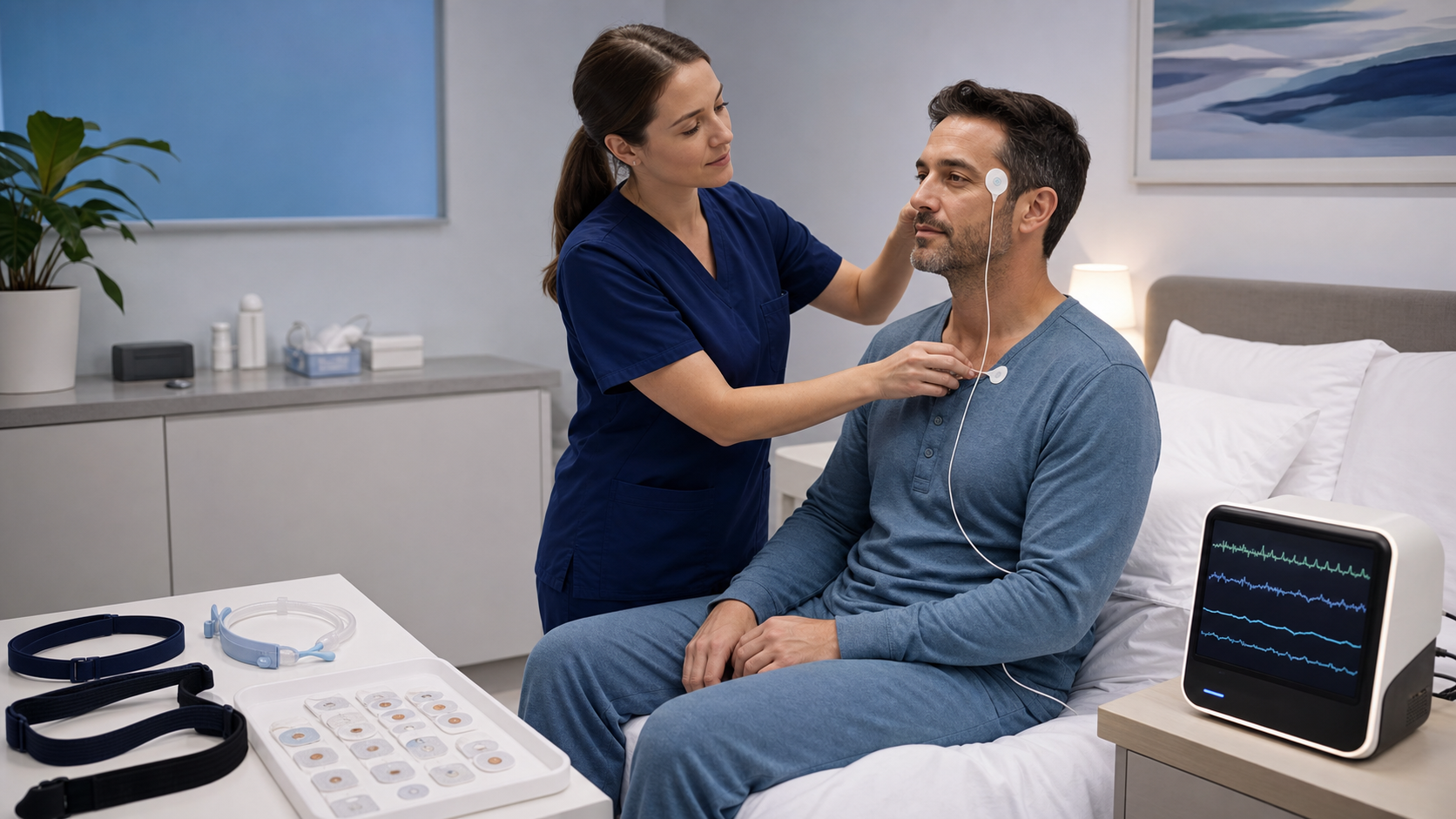
With this kind of study, you’ll usually be asked to wear a few small sensors that track breathing, heart rate, and movement. Everything is recorded as you sleep. The goal is to see how your body rests (or struggles to rest) without the pressure of a lab setting.
At-home sleep studies are often used when someone shows signs of sleep apnea. That includes loud snoring, choking during sleep, or waking up gasping for air. These tests help figure out if your breathing is being interrupted during the night and how often it happens.
- Easy setup and done from home
- Measures things like oxygen, airflow, and chest movement
- Useful for spotting breathing-related sleep problems
They won’t show everything, but they often provide enough to decide if more testing is needed.
Sweet Sleep Studio specializes in affordable in-home sleep studies for adults in Kansas City, Kansas, and Shawnee. These studies help patients get high-quality answers about issues like snoring, fatigue, or restless nights without having to spend the night in a clinic.
Clinic-Based Sleep Tests and What They Measure
Some sleep issues are trickier to catch, and that’s where an in-lab test can help. These tests happen in a sleep center, where you stay overnight while being monitored more closely.
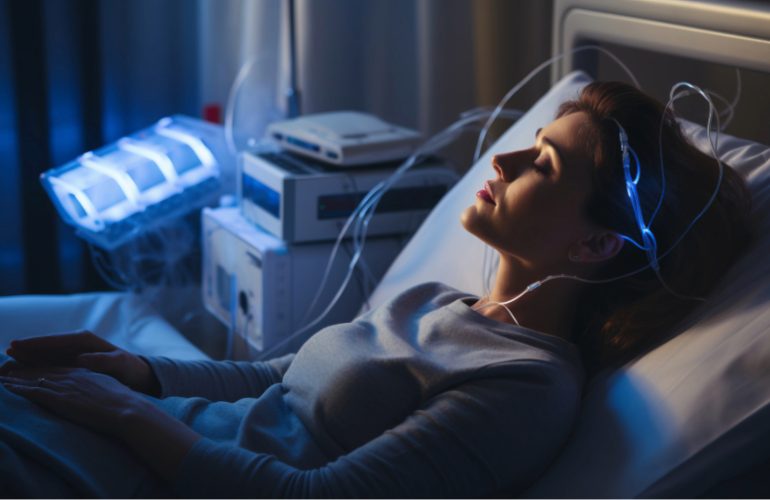
When you arrive, you’ll be connected to machines that track brainwaves, heart rate, breathing, and even body movement. It takes some getting used to, but people usually fall asleep after a short while.
In-lab tests can help find issues like:
- Narcolepsy, which causes sudden sleepiness and trouble staying awake
- Restless legs or body movements that disrupt sleep
- Sleep apnea when home tests don’t give clear results
- Nighttime seizures or behaviors that might be unsafe
Unlike at-home tests, labs can study your sleep stages and show exactly how much deep, light, and REM sleep you’re getting.
Our clinic provides both in-lab and at-home testing, so you can get the right evaluation for your situation. Dr. Abid Bhat, our board-certified sleep specialist, leads each review and helps guide next steps based on test results and real-life concerns.
What the Results Can Tell You
Once the testing is done, the real value begins. Reports from these tests are packed with details about your sleep (when you fall asleep, how often you wake up, whether you stopped breathing, and how your heart and brain responded).
Doctors look closely at this data to understand what’s causing your troubles. For example, if breathing interruptions show up often, that can point to a sleep apnea diagnosis. If someone hits REM sleep too fast or too often, it might suggest narcolepsy or another sleep-related concern.
These results also help guide what happens next. With a clear diagnosis, treatment can match what your body actually needs instead of guessing. That might mean changes to your sleep habits or using devices that support healthy breathing. Some plans include follow-up monitoring to check progress.
When you understand how your body is behaving at night, it becomes much easier to improve sleep safely and steadily.
When Spring Wakefulness Isn’t Just the Weather
Here in Kansas, spring comes with big shifts (longer days, warmer nights, and high pollen counts). May often brings busy mornings and lighter evenings, especially for families with school-age kids. But even if spring is your favorite time of year, it can cause unexpected sleep changes.
Earlier sunrises can wake you up too early before your body is ready. Allergy symptoms can lead to stuffy noses and restless nights. And shifting schedules, like sports or travel, can push bedtime later, one night at a time.
These issues might seem small at first, but they add up. You might feel unsteady during the day or more distracted than usual. Waking up multiple times or falling asleep in front of the TV might raise new concerns.
That’s where tests for sleep disorders can help. They give answers when sleep problems stick around beyond seasonal changes. Knowing what’s going on is better than guessing whether it’s just spring throwing you off.
Finding Out What Your Sleep Is Trying to Say
Sleep can be confusing when things feel off, but it doesn’t have to stay that way. Testing helps us take a closer look and figure out what’s really happening during the night. Whether it’s done at home or in a sleep clinic, the insights can be surprisingly clear.
When we know the cause, we’re able to move forward with more confidence. Sleep problems tend to affect more than just bedtime, they ripple through school, work, and relationships. Getting tested is one of the first real steps toward feeling better during the day. Once sleep issues have a name, they feel more manageable. And that’s when meaningful change can begin.
Sleep issues can disrupt your life more than you realize, and understanding their root cause is the first step toward better rest. At Sweet Sleep Studio, we support adults throughout Kansas City and Shawnee with expert evaluations, whether you start at home or visit us for a detailed overnight study. When symptoms like loud snoring, restless nights, or daytime fatigue appear, we often recommend simple, targeted tests for sleep disorders so you can get clear answers and take the right next step. Reach out to us today to schedule a visit and get closer to the restful sleep you deserve.